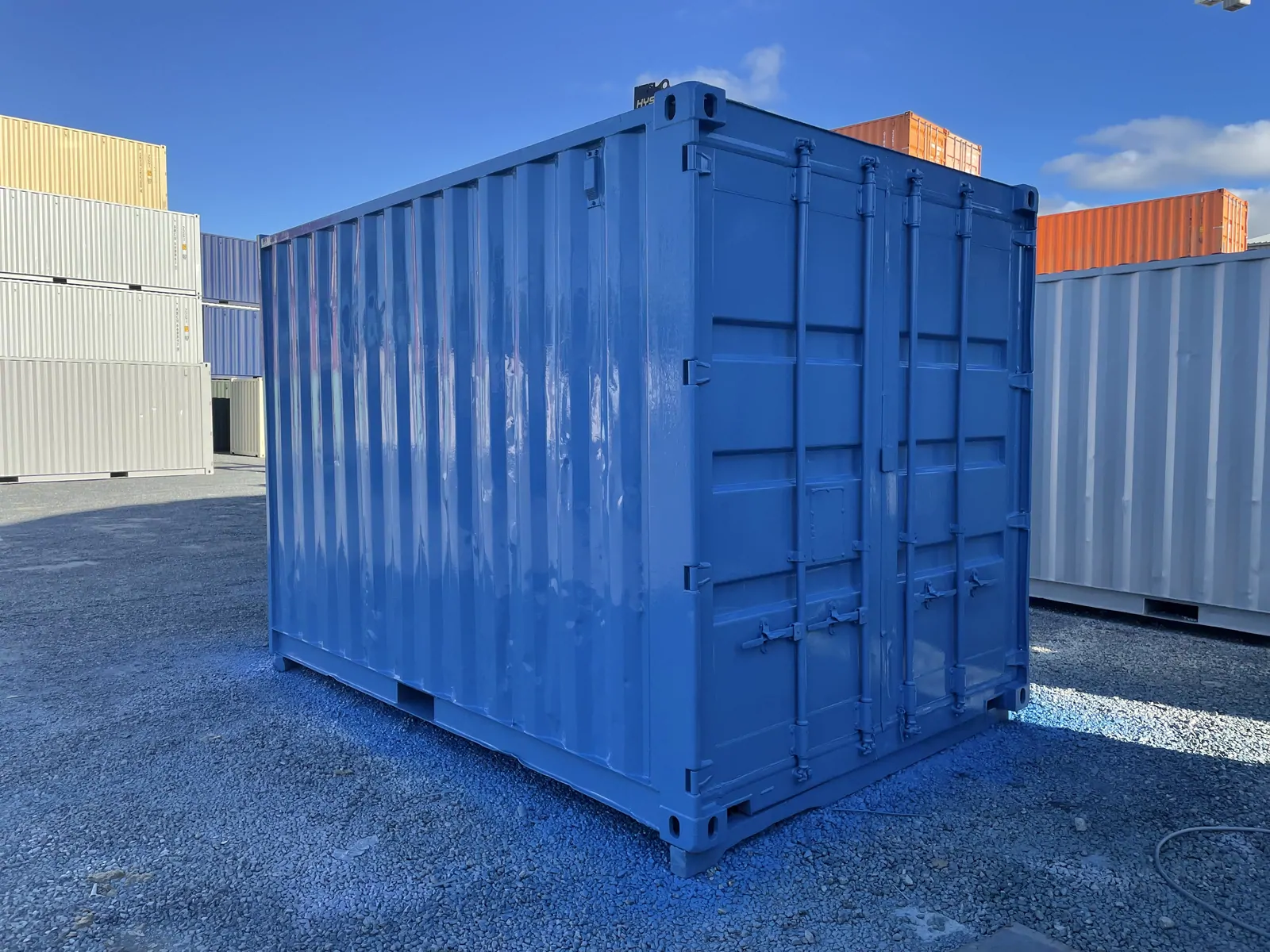
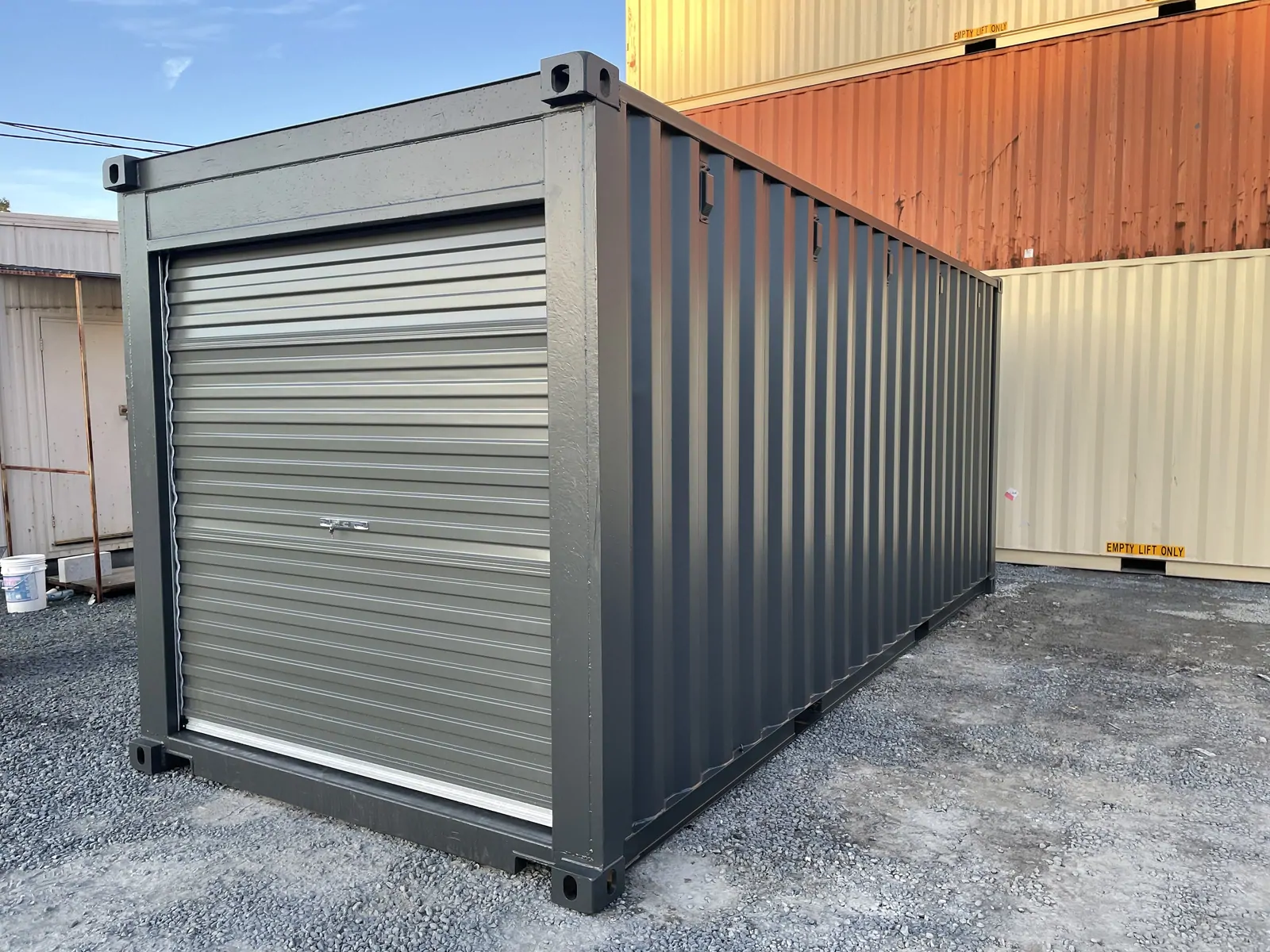
 10ft
10ft10ft Shipping Containers
The side passage is narrow, the council setback leaves you nothing to play with, or all you need is somewhere lockable for a mower, a compressor and a rack of tools.
Used from$4,350
New from$6,400
Sydney, NSW
We will be straight about Sydney: we do not cart containers down the highway from Queensland, and you would not want to pay for it if we did. Sydney orders are filled from Sydney-basin depots. What we bring is the thing that decides whether a delivery goes well — asking hard questions about the site before a truck is booked, because Sydney punishes a bad assumption.
First, the things that are specific to here.
Around Sydney we deliver containers for storage on the tiny inner-suburban blocks where a garage was never built, site stores on the endless knockdown-rebuild work through the middle ring, secure trade storage where warehouse space costs more per month than the stock inside it, film, production and event gear that comes out for a fortnight and then vanishes, stock overflow for online businesses run out of a garage, and yard storage on the industrial estates through the west and south-west.
Sydney is the hardest city in Australia to place a container in and it is worth understanding why before you order. The inner suburbs came first. Newtown, Erskineville, Surry Hills, Balmain, Annandale and Paddington are terrace country — no front setback, the front door effectively on the footpath, no side access of any kind, and if there is a rear lane it is likely to be three metres of bitumen between two brick walls with a power pole in it and a dogleg halfway along. There is no version of a tilt-tray that works there. The middle ring is more forgiving on paper and less so in practice, because the streets are narrow with cars parked both sides and there is exactly one place a truck can stand, usually directly in front of your house. Then there is time. Arterial roads run clearways morning and afternoon where a truck may not stop at all, some routes carry heavy-vehicle restrictions and low rail underbridges, and strata buildings and business parks set their own delivery windows. A Sydney delivery is not just a date, it is a date and an hour, and the hour is often decided by somebody other than us. Ground splits along the geology. The harbour and northern suburbs sit on sandstone, which is superb bearing and awkward to level on because the rock is exactly where it is and not where you want it. The east and the northern beaches are sand and carry far less than they look like they should. Out west from about Blacktown through Penrith and Camden it is shale clay that swells through a wet winter and shrinks away hard through summer, and a container left sitting straight on it will follow that movement corner by corner. And everywhere, hardstand is at a premium — even industrial tenancies here often have no spare yard at all.
Grade moves the price more than size does, and it is what decides whether a unit is sold watertight — the full rundown is on the grades page.
The range
Guide prices in AUD, ex GST. Delivery is quoted with the container.
10ftThe side passage is narrow, the council setback leaves you nothing to play with, or all you need is somewhere lockable for a mower, a compressor and a rack of tools.
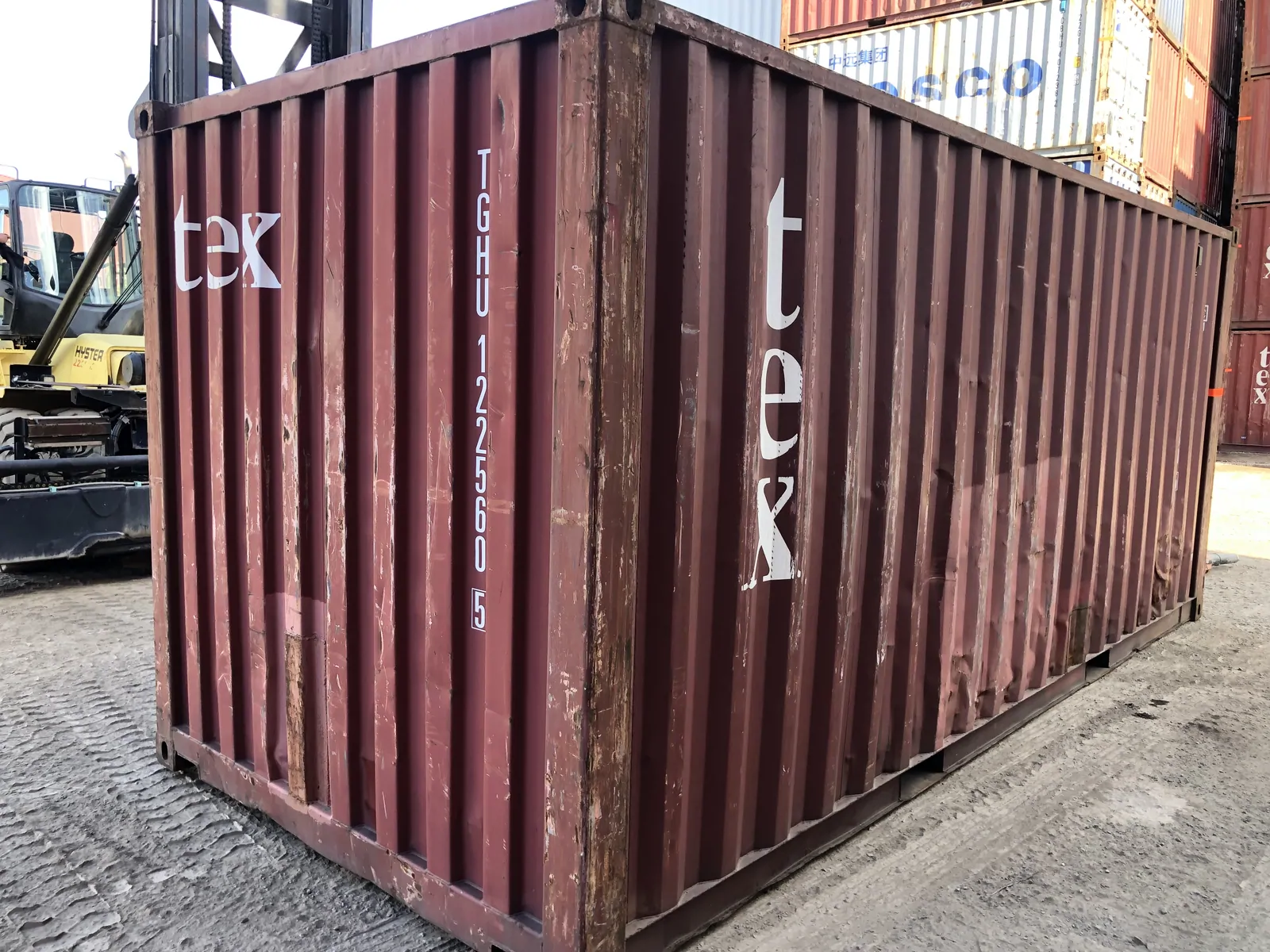
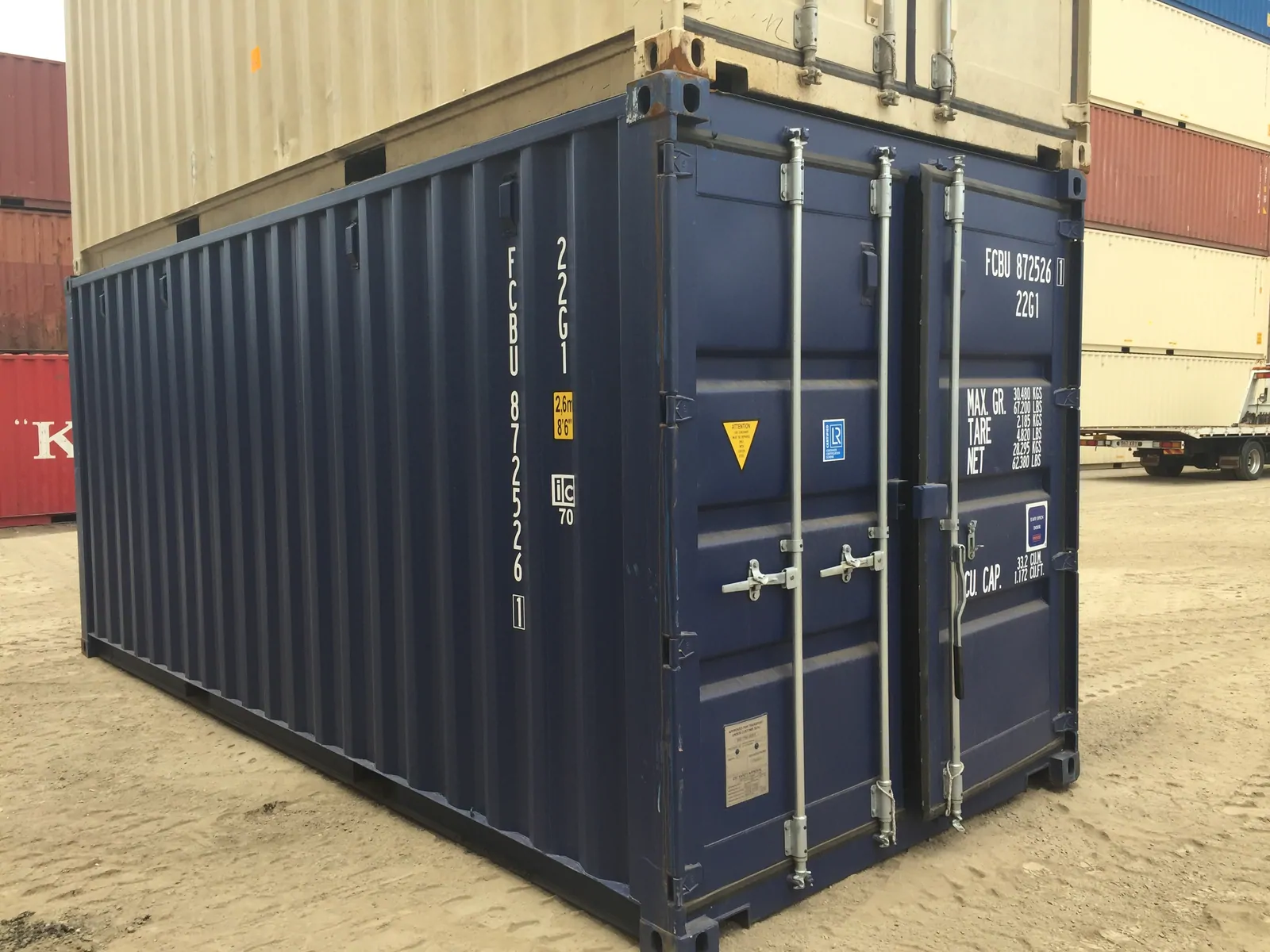 20ft
20ftYou have about seven metres of straight, reasonably level ground to put it on and you would rather not find out in six months that you should have gone bigger.
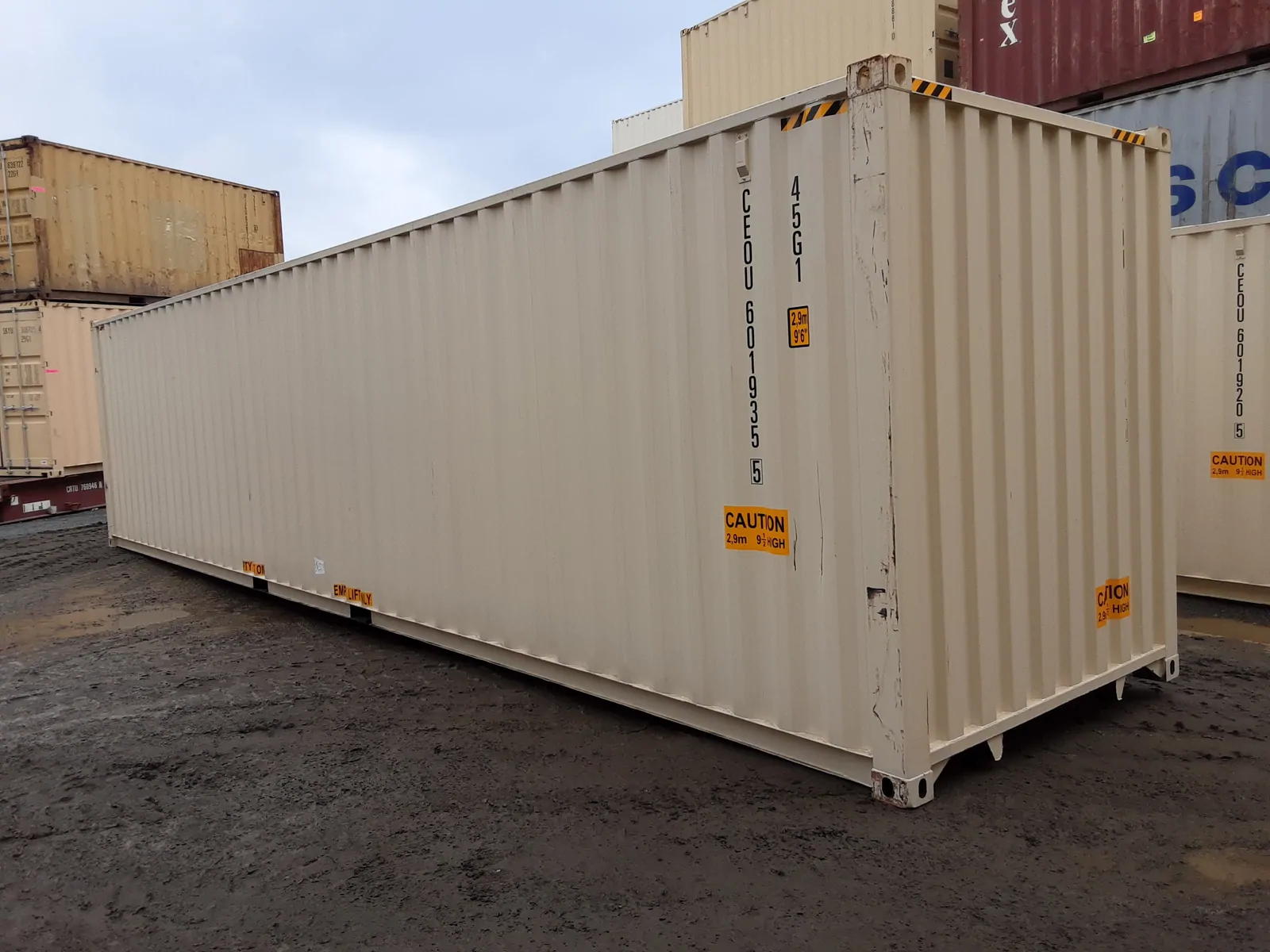 40ft
40ftYou have the room, the access is genuinely open, and you want the most storage per dollar available anywhere.
Sydney
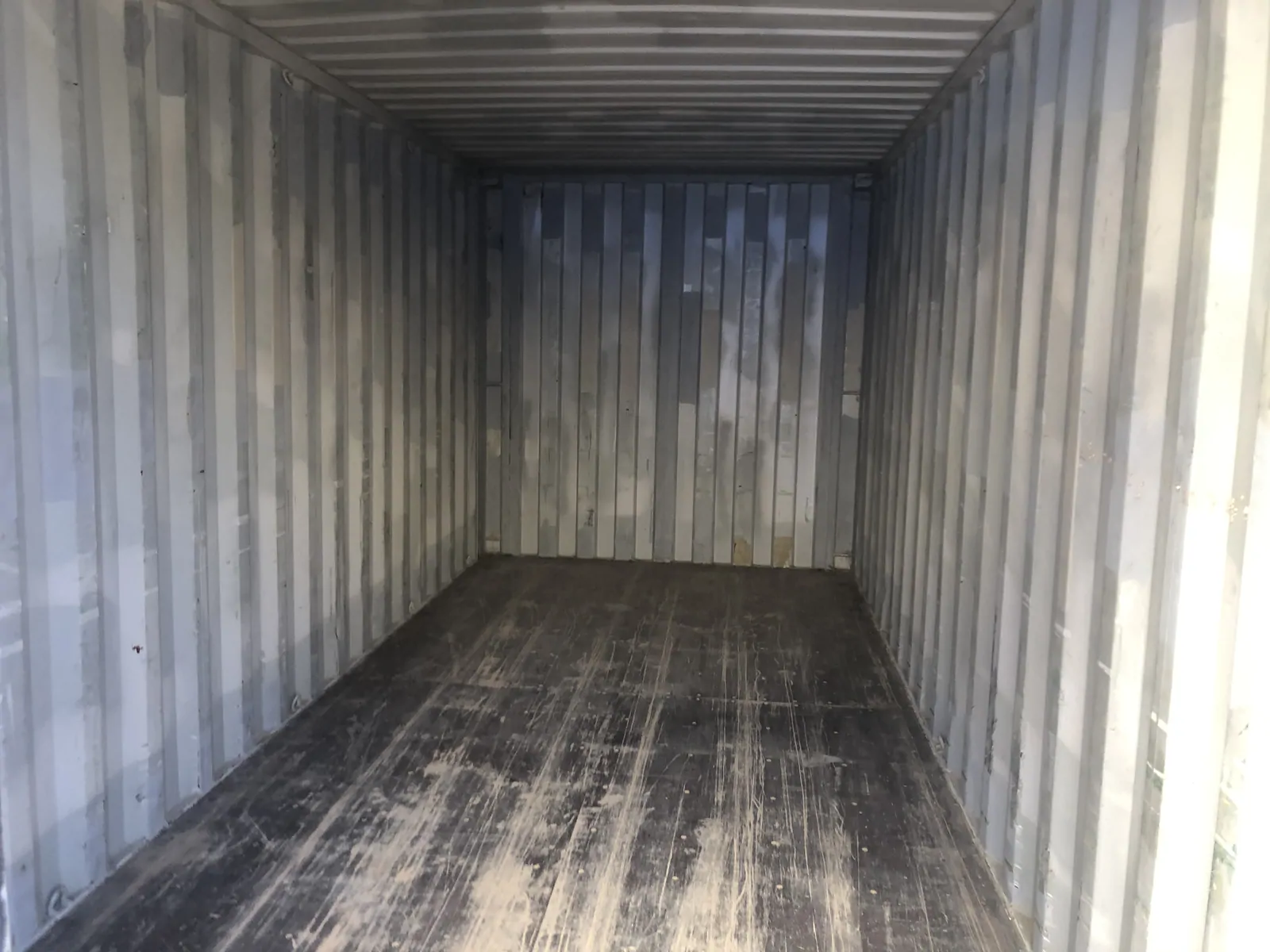
Our yard is in Queensland and we are not going to pretend a container for a Sydney address starts there. It does not. Sydney is filled from Sydney-basin depots — the yards around Port Botany and the container facilities strung through Yennora, Chullora, Villawood, Erskine Park and Minto — because that is where the stock sits, that is where the handling is cheap, and carting a box fifteen hundred kilometres to save nothing is not a service, it is a surcharge. Practically, that means Sydney supply is good: it is one of the deepest markets in the country, and asking for a particular grade, size, door configuration or a high cube is a reasonable request rather than wishful thinking. Inspection works differently to our home ground, though, and it is fair to say so plainly — you are looking at stock at a third-party depot by arrangement rather than walking around our own yard, so ring first and we will organise it, or ask for photographs of the actual unit on request and we will send them before delivery.
On the ground
In most of the country a crane lift is the exception. In Sydney it is close to routine, and the reason is simply that the housing stock predates the truck. A terrace with no side access, a semi with a metre and a half between the wall and the fence, a harbourside block where the house is three storeys below the road and reached by stairs — none of those are tilt-tray sites and no amount of optimism makes them one. A crane truck stands on the street, lifts the container over the roofline and sets it down where it needs to go. What decides whether it works is reach and clearance: how far the container has to travel horizontally, how high it has to clear, whether there are power and comms lines across the frontage, and whether the street will give the outriggers a firm, level footprint wider than the truck itself.
The other half is permission. Standing a crane on a public street generally means a road occupancy approval from your council, and depending on the street it can mean traffic control as well. That has lead time attached to it and it is not something anyone can produce on the morning. It is not difficult — it is just a job that has to be started before the delivery is booked rather than after. Tell us at the enquiry that the site has no vehicle access and we will build the quote around a lift rather than discovering it when a truck is already in your street with nowhere to go. Photos from the footpath looking at the house, from the back yard looking toward the street, and one straight up at the overhead lines will get you a real answer in a phone call.
Worth knowing
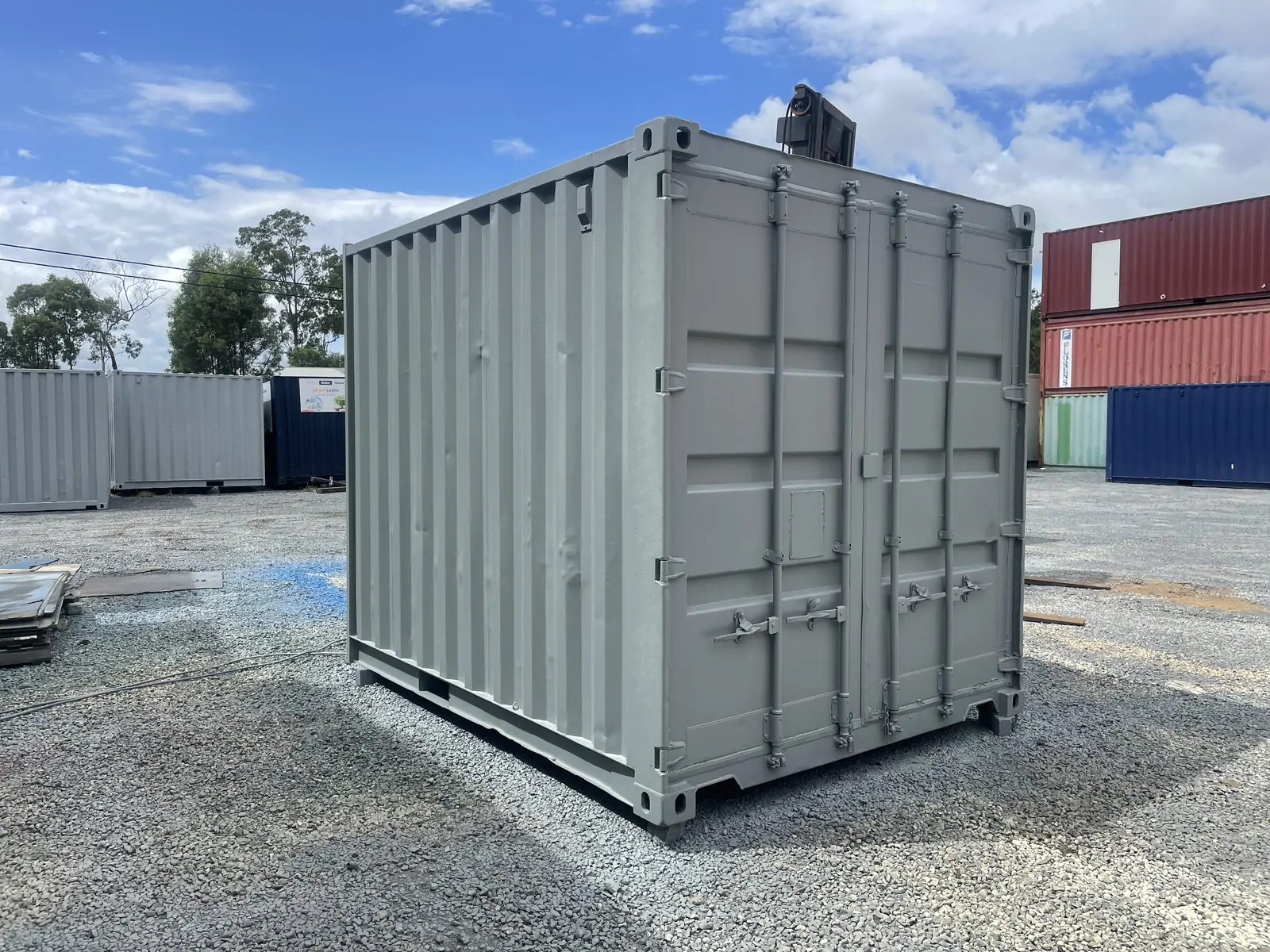
Sydney's ground changes character across the city and it changes what goes under the container. On the sandstone country through the harbour suburbs and the north, bearing is excellent and the difficulty is geometry — shelf rock sits where it sits, so the pads have to be built up on the low side rather than the high side cut away, because cutting in just creates a channel for water to run along and pond against the container. On the sand through the east and the northern beaches the opposite is true: it is easy to work and it carries very little, so each corner casting will settle unevenly into it within a season unless the load is spread properly.
Out west it is shale clay, and reactive clay is the one that catches people. It takes up water through winter and swells, gives it back through a dry summer and shrinks, and it does neither evenly across a block. A container placed straight on it will rack one corner at a time, and a racked container is a container whose doors stop closing — which is the only part of it you actually touch. Concrete pads or hardwood sleepers under the four corner castings, levelled in both directions and checked on the diagonals, deals with all three ground types. Get the door end on the high side of any fall and keep the underside clear so water and air can move.
Cartage is worked out per address rather than off a table. Distance is only part of it — access is usually what moves the figure.
Give us the address and a rough idea of the entry and we will do the working out at our end.
We also deliver to Parramatta, Liverpool, Penrith, Blacktown, Sutherland and the surrounding district. If your town is not on the list, ring — it almost certainly still works.
Worth reading before you order for Sydney: Container delivery and access — what the truck actually needs and Preparing your site for a container — ground, footings and drainage.
Common questions
No, and they should not. Sydney orders are filled from Sydney-basin depots — the yards around Port Botany and out through Yennora, Chullora, Erskine Park and Minto — because that is where the stock is and carting a box fifteen hundred kilometres would only add cost with nothing to show for it. The upside is choice: Sydney is a deep market, so a specific grade, size or door configuration is a normal request. You can inspect at a depot by arrangement rather than at our own yard, or ask for photos of the actual unit on request before delivery.
Usually yes, with a crane truck lifting from the street over the house. It is close to routine work in the inner suburbs because the housing stock predates the truck. What decides it is reach and clearance — how far the container has to travel horizontally, how high it must clear, whether there are power and comms lines across the frontage, and whether the street gives the outriggers a firm footprint wider than the truck. Photos from the footpath, from the back yard looking toward the street, and one straight up at the lines will get you an answer quickly.
In most cases yes — standing a crane on a public road generally requires a road occupancy approval from the council, and on busier streets traffic control as well. Rules differ between councils and we are not going to guess at yours, so start that enquiry early because it carries lead time and cannot be arranged on the morning. Tell us at the quote that the site needs a lift and we will scope it that way from the outset rather than sending a truck that has nowhere to go.
Often, yes, and it catches people out. Arterial roads run clearways morning and afternoon where a truck may not stop at all, some routes carry heavy-vehicle restrictions and low rail underbridges, and strata buildings and business parks set their own loading windows and dock heights. A Sydney delivery is a date and an hour rather than just a date. If your building or complex has a nominated window, get it in writing first and we will book the run to land inside it.

Get a price
We deliver to Sydney and the surrounding district. Tell us what is going in it and what the access is like, and you will get a price with the cartage worked out. Every enquiry answered within one business day.
Or skip the form and ring us — 0477 410 500, Mon–Fri 7:30am–5pm, Sat 8am–12pm