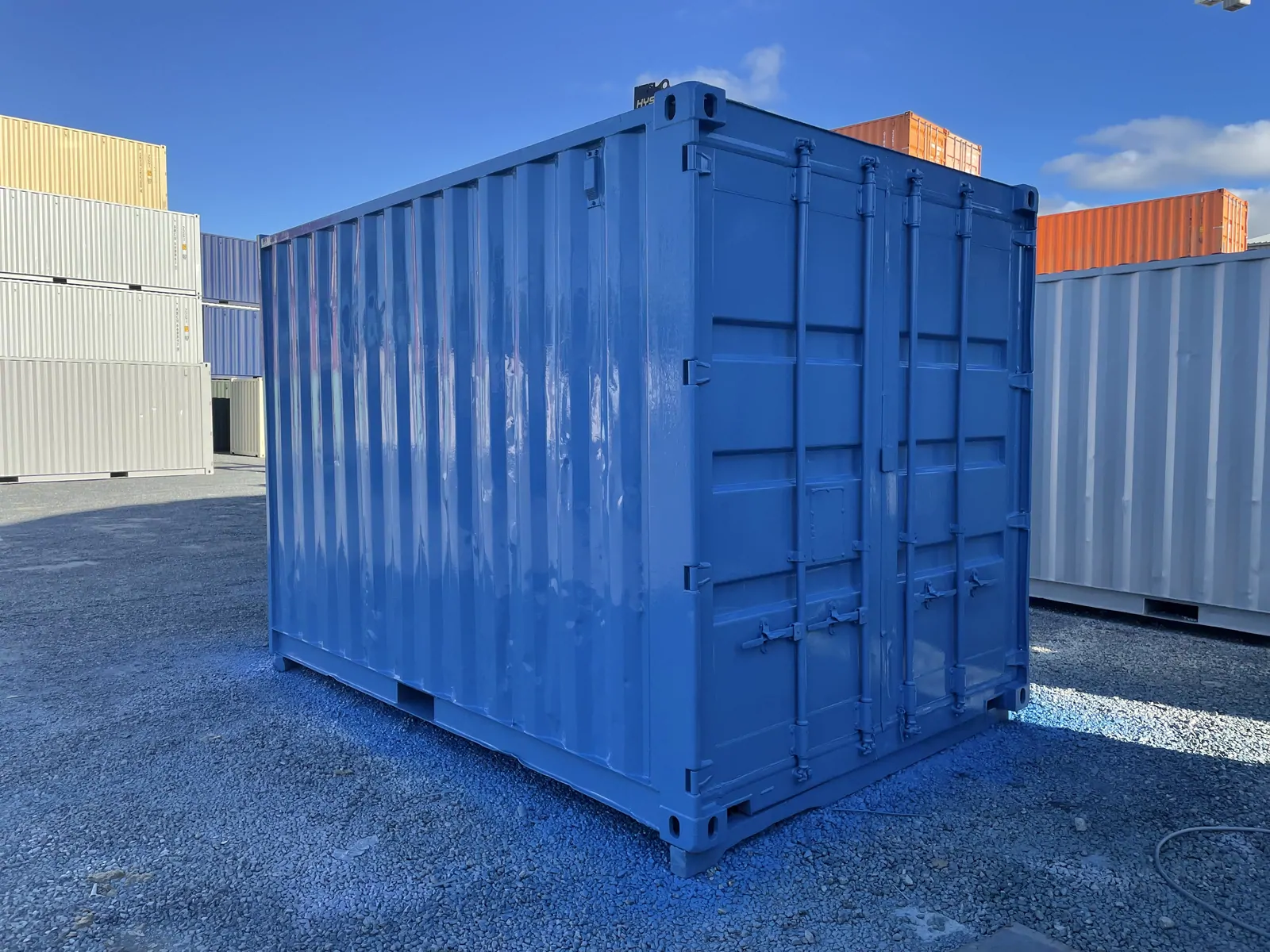
 10ft
10ft10ft Shipping Containers
The side passage is narrow, the council setback leaves you nothing to play with, or all you need is somewhere lockable for a mower, a compressor and a rack of tools.
Used from$4,350
New from$6,400
Grades
There are three grades worth talking about. The gap between them is usually wider than the gap between two suppliers quoting you on the same grade, which is why the grade is the first question we ask and the last thing you should compare on.
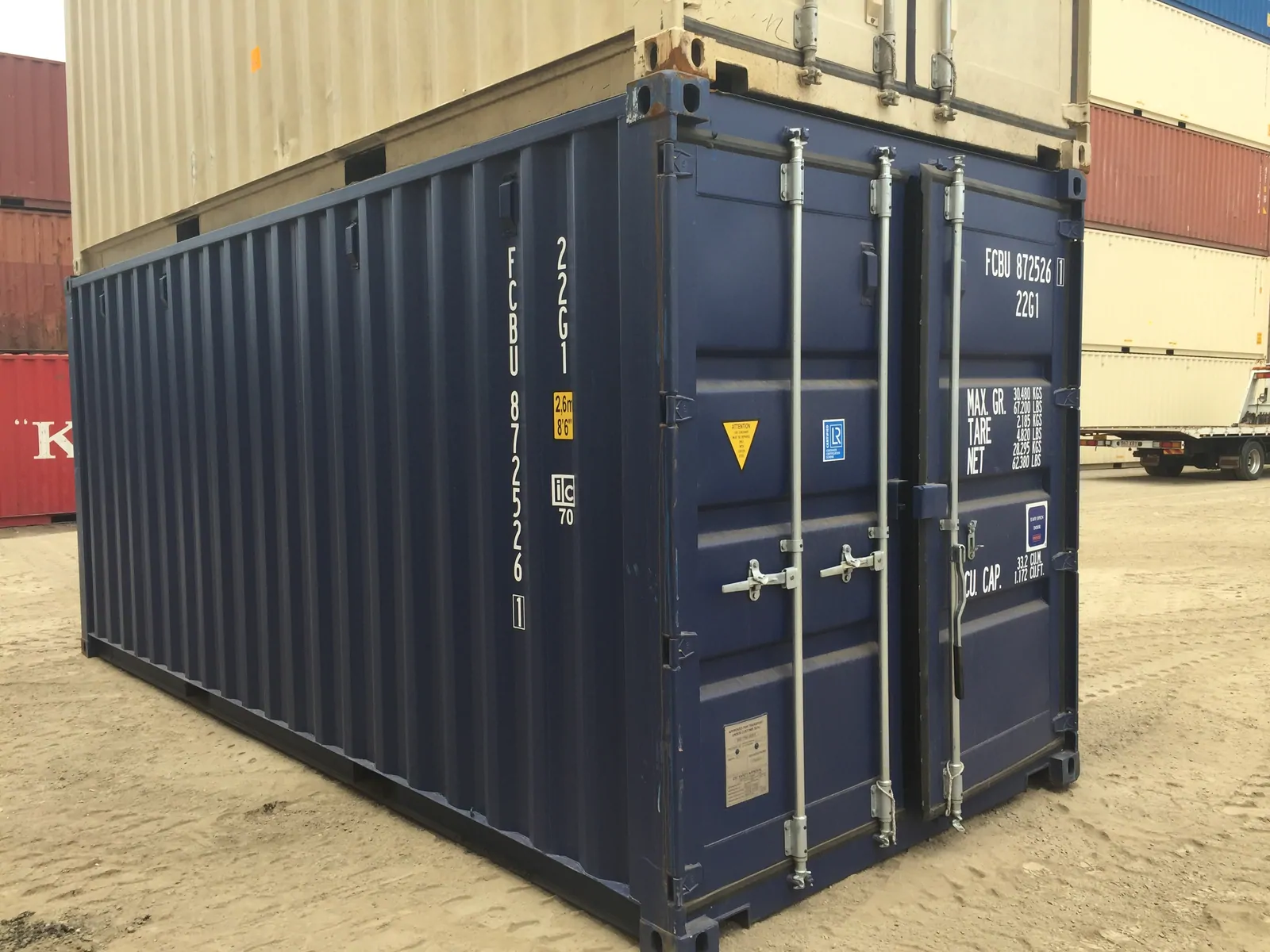
Built, loaded once, shipped once, unloaded here. Straight walls, clean floor, unfaded paint, seals that have never been out in the weather for long. If the container is going somewhere it will be looked at — a front yard, a shopfront, a display — this is the one.
Sold watertight: yes — checked wind and watertight before it leaves.
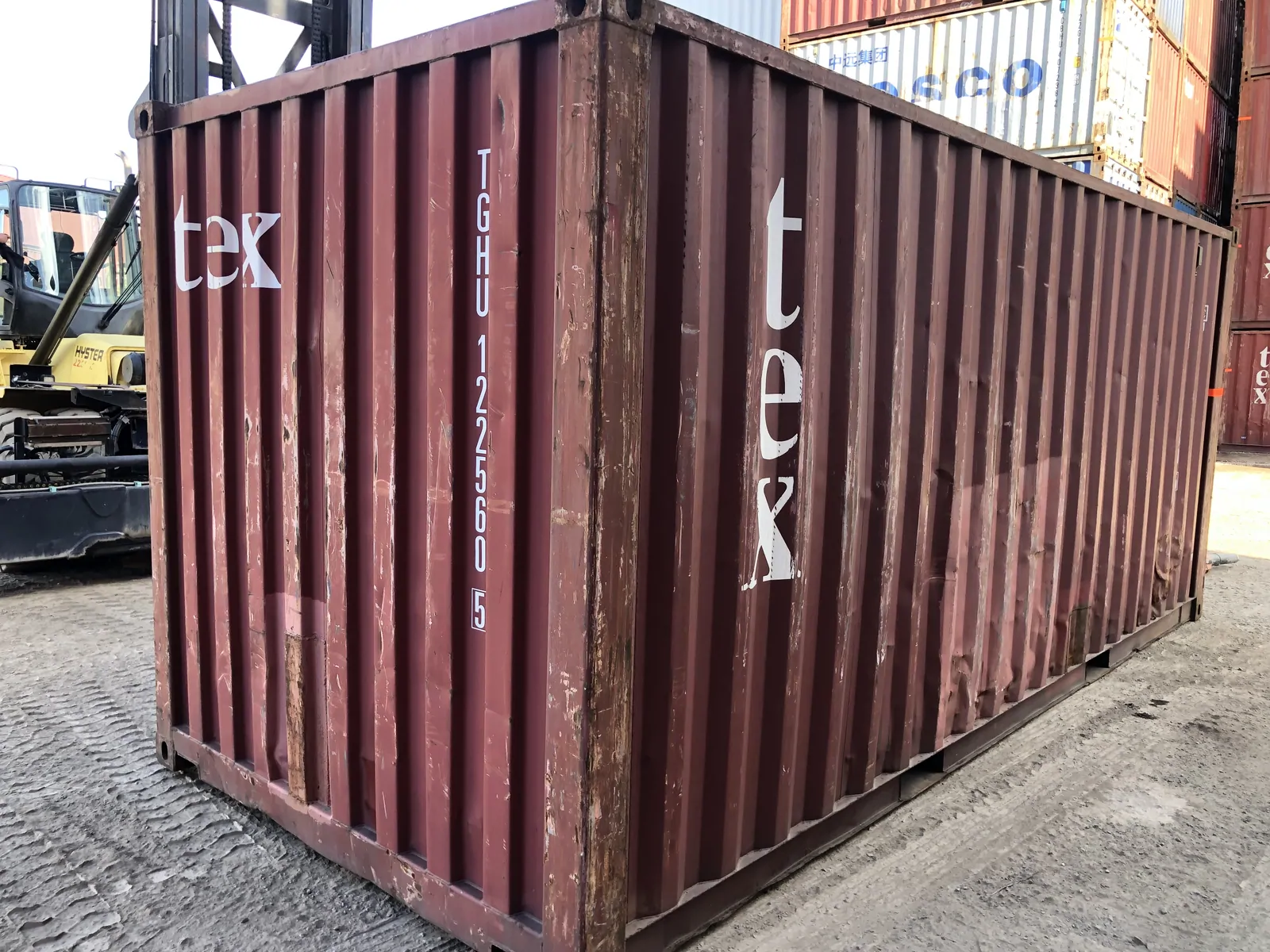
A working container that is still certified fit to carry freight at sea. Dents, surface rust and old shipping-line paint are normal and expected. Wind and watertight is checked before it leaves. This is the grade most people should buy and about seventy per cent of what we sell.
Sold watertight: yes — checked wind and watertight before it leaves.
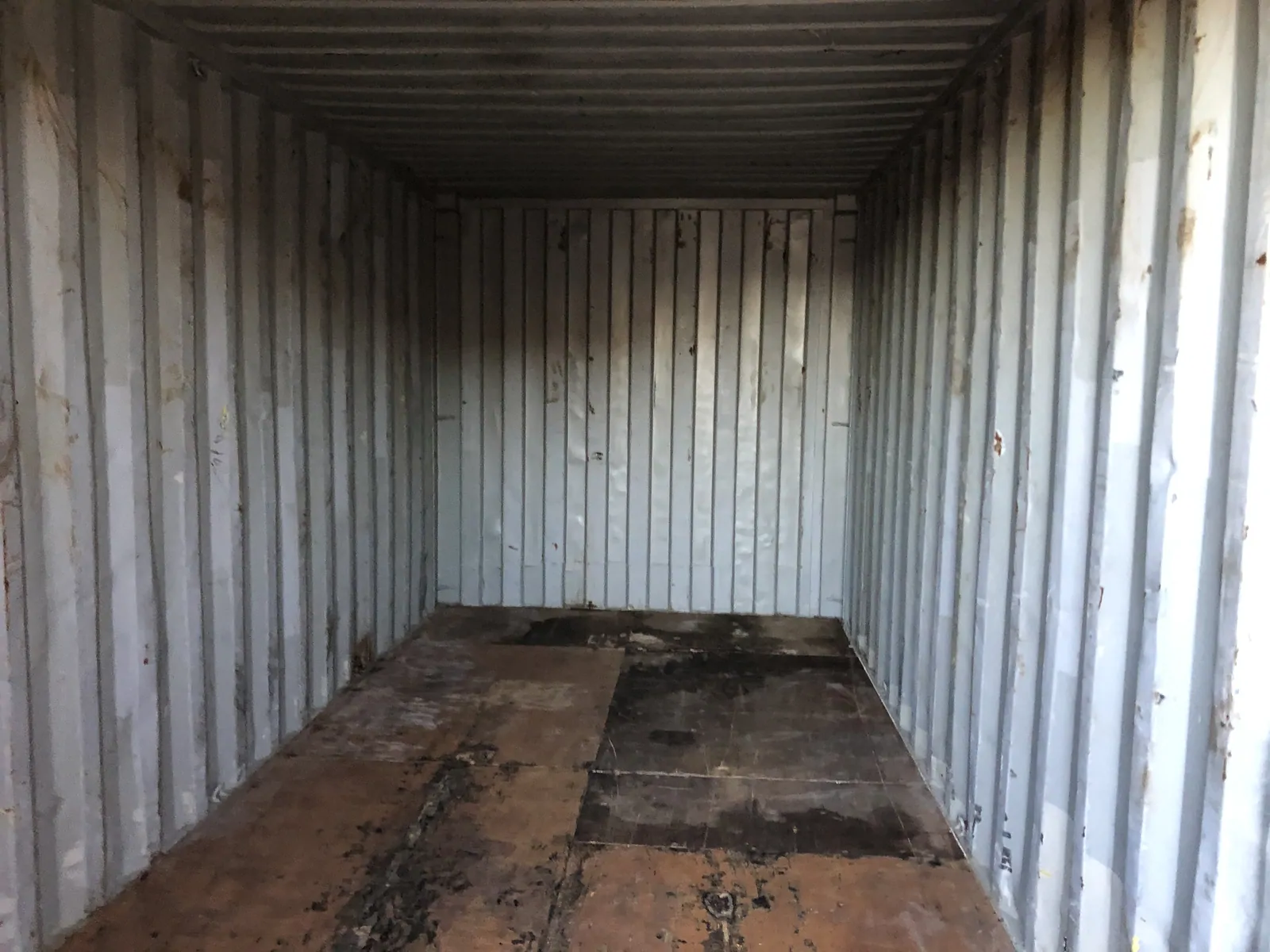
Retired from sea service and sold on its faults. Cheapest by a distance and completely fine for a lot of jobs — a tool lock-up under cover, a bund, a site office shell, a base for a build. Not sold watertight. We photograph the faults and tell you what they are before you buy it.
Sold watertight: no. This grade is not sold watertight.
Grade matters more than anything else in a container quote. Cargo-worthy is the grade we check wind and watertight before it leaves the yard. As-is units are cheaper again and are not sold watertight — one may carry a patched repair, a soft spot in the floor, or a door seal that no longer seats properly, and we will tell you exactly what is wrong with a particular unit rather than let you find it out on delivery day. New single-trip containers are unmarked, sealed, and have made one loaded voyage. If the container has to keep rain off whatever goes inside it, buy cargo-worthy or better.
In practice
Stand two cargo-worthy 20fts side by side and the difference in what they are worth is almost entirely in two places: the floor and the doors. A solid 28mm marine-ply floor with no soft spots and doors that pull up hard against a seated gasket is a good container regardless of how the paint looks.
Dents in the side panels, surface rust and three layers of old shipping-line livery look far worse than they are. Cosmetics are the cheapest thing to live with and the easiest thing to be talked into paying for.
By size
Cargo-worthy used and new single-trip starting figures. As-is pricing moves too much with the specific fault to publish usefully — ring and ask what is on the ground.
10ftThe side passage is narrow, the council setback leaves you nothing to play with, or all you need is somewhere lockable for a mower, a compressor and a rack of tools.
 20ft
20ftYou have about seven metres of straight, reasonably level ground to put it on and you would rather not find out in six months that you should have gone bigger.
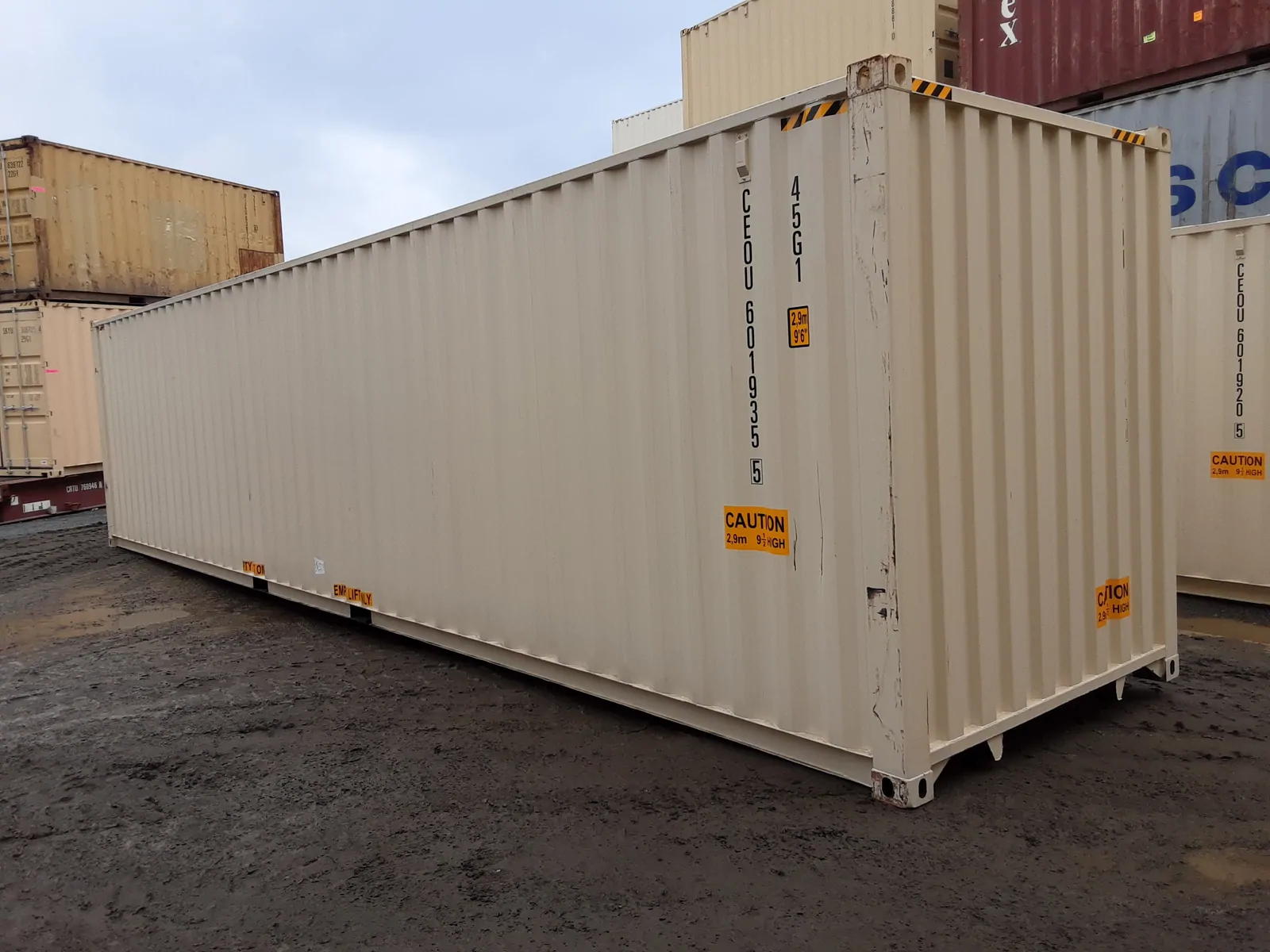 40ft
40ftYou have the room, the access is genuinely open, and you want the most storage per dollar available anywhere.
Prices on this page are guide prices in AUD and exclude GST. They are starting figures for the grade named, they move with condition, availability and which depot the unit has to come out of, and none of them is a quote until the cartage to your address has been worked out.
Common questions
That the container is still certified fit to carry freight at sea. Structurally sound, no holes, doors sealing properly, floor solid, and able to pass survey. It is a working standard rather than a cosmetic one, so dents, surface rust and old shipping-line paint are entirely normal on a cargo-worthy unit. Every cargo-worthy container we sell is checked wind and watertight before it leaves.
Retired from sea service and sold on its faults. It may have a patched repair, a soft section of floor, a door seal that no longer seats or a hole somewhere. As-is units are not sold watertight. What we will always do is tell you what is actually wrong with the specific unit and photograph it, so you buy it knowing. For plenty of jobs it is the right and much cheaper answer.
A new container that has been built overseas, loaded once, shipped here and unloaded — so it has made exactly one voyage. Effectively new: straight walls, clean floor, unmarked paint, seals that have not spent years in the weather. Almost every container sold as new in Australia is a single-trip unit, because building them here does not happen at any scale.
Usually, yes, and that surprises people. The gap between an as-is 20ft and a new single-trip 20ft is far wider than the gap between a used 20ft and a used 40ft. It is also the gap most likely to explain why one supplier's quote looks better than another's — check you are comparing the same grade before you compare the numbers.
No, and any supplier who says all of theirs are is being loose with the word. Cargo-worthy and new units are checked wind and watertight before they leave. As-is units are explicitly not sold watertight — that is the whole reason they cost less. Which grade you need is decided by what is going inside.

Get a price
Tell us what is going in the container and where it will sit. That is enough for us to tell you which grade the job needs — including when the cheaper one will do. Every enquiry answered within one business day.
Or skip the form and ring us — 0477 410 500, Mon–Fri 7:30am–5pm, Sat 8am–12pm